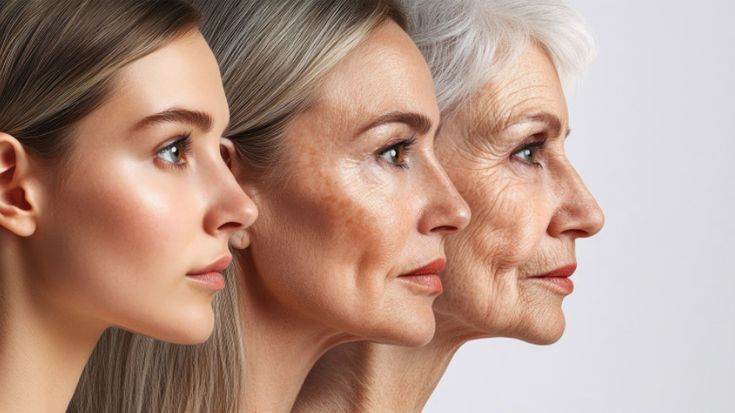
Instead of chasing symptoms or relying on temporary fixes, this method dives into the root causes—the hormonal, metabolic, and inflammatory signals that shape how your skin behaves.
In this blog, we decode the essential lab tests that reveal why pigmentation happens and how understanding your internal chemistry can finally create long-term clarity
Why Most Melasma Treatments Fail and How a Melasma Cure Works
Traditional melasma treatment focuses heavily on:
- Lightening creams
- Chemical peels
- Lasers
- Sunscreens
These tools are helpful, but for many women, the pigment returns within weeks or months.
Why?
Because your skin is responding to internal triggers—and unless those triggers are identified and corrected, the pigmentation cycle continues.
Melasma is often a symptom of deeper imbalances such as:
- Hormonal fluctuations
- Chronic inflammation
- Insulin resistance
- Stress and cortisol dysregulation
- Vitamin/mineral deficiencies
- Gut-liver axis disruption
Surface treatments cannot override these internal messages.
The Internal Blueprint Approach
The Internal Blueprint is a medical–aesthetic method that identifies your skin’s internal “code” through targeted lab testing.
Instead of guessing, you gain data-driven clarity about what’s driving your pigmentation.
This is what makes root-cause aesthetics different: it connects your internal health to your external beauty results.
Essential Lab Tests for Your Melasma Cure
1. Hormonal Panel
Melasma is strongly linked to hormonal shifts.
Key tests include:
- Estradiol (E2)
- Progesterone
- Testosterone
- LH & FSH
- Prolactin
- Thyroid Panel (TSH, Free T3, Free T4)
Imbalances in these hormones can trigger:
- Hormonal melasma
- Pregnancy/contraceptive-triggered pigmentation
- Worsening pigmentation around the menstrual cycle
Balanced hormones = clearer, more stable skin.
2. Insulin & Glucose Metabolism
Insulin resistance is one of the most common hidden causes of pigmentation.
Tests include:
- Fasting glucose
- Fasting insulin
- HOMA-IR
High insulin stimulates melanocytes → more pigment production.
This is why many women with PCOS experience stubborn pigmentation.
3. Liver Function & Detox Pathways
Your liver determines how well your body clears hormones and inflammation.
Tests:
- ALT
- AST
- GGT
- Bilirubin
- Vitamin D
- Ferritin
A sluggish liver = hormonal buildup = increased pigmentation.
4. Inflammation Markers
Chronic inflammation makes melasma darker and more resistant.
Key markers:
- CRP
- ESR
- Homocysteine
When inflammation is high, even the strongest treatments fail.
5. Gut Health Markers
Your gut influences your skin through nutrient absorption and inflammation.
Tests:
- Stool analysis (if needed)
- B12
- Folate
- Magnesium
- Zinc
Deficiencies here directly affect pigmentation recovery.
Connecting the Dots: What Happens After the Lab Results?
This is where the transformation begins.
Once your internal data is clear, your plan becomes:
1. Personalized internal protocol
Balancing hormones, reducing inflammation, stabilizing insulin, and improving detox pathways.
2. Medical-grade topical routine
Targeted depigmenting agents chosen based on your skin’s real biological needs.
3. Treatment timing based on your internal rhythms
Because the same skin doesn’t respond the same way every week of the month.
4. Long-term stability
Treating the source → prevents pigmentation from returning.
The Results: Why This Blueprint Works
Clients who follow this Internal Blueprint commonly experience:
- Fading of melasma patches
- More even, radiant skin tone
- Reduced inflammation + reduced flare-ups
- Long-lasting pigmentation control
- Deep understanding of their body, not just their skin
This is not a one-size-fits-all routine.
It’s a scientific, personalized beauty strategy that treats the root before treating the surface.
Final Thought
Your pigmentation isn’t random.
It’s a message—one your body has been sending for years.
The Internal Blueprint decodes that message.
It reveals the internal chemistry behind your melasma, empowers you with data, and guides you toward skin clarity that truly lasts.
If you’re ready to stop fighting your skin and start understanding it, this is where your transformation begins.
Resources
- Journal of Cosmetic Dermatology
- Dermato-Endocrinology Journal
- Journal of Clinical and Aesthetic Dermatology (JCAD)
For consultation, contact us on WhatsApp: +201095614873
Improving the balance of the body and skin isn’t just about getting rid of dark spots; it also impacts the symmetry of facial features. To learn how to achieve Real-Life Symmetry through holistic skincare and natural features, read our article